
Å velge forbrukslån i en travel hverdag, kan være både tidkrevende og vanskelig. Spesielt dersom du ønsker å gjøre et grundig forarbeid. Å ta det første og beste tilbudet kan vise seg å bli dyrt. Det kan også vise seg å ikke tilstrekkelig tilfredsstille ditt behov som låntaker. Lånetypene er mange. Muligheter og begrensninger varierer fra lån til lån, og fra kunde til kunde. Det er noen faktaopplysninger du bør sette deg inn i før du tar et valg. Det tilhører også en del kriterier ved de ulike låneformene. Her hjelper vi deg å sette deg inn i disse. Slik finner du raskt det best tilpassede lånet til ditt behov.
1 Lånetype
Det finnes ulike former for lån. Alle kommer med ulike fordeler og ulemper. Det er opp til deg å finne ut hvilken låneform som passer deg best. Behov kan være ulike både fra person til person, og fra situasjon til situasjon. Ulikheter kan være grad av fleksibilitet på innskudd og uttak av lånt beløp, eller om renten kan senkes. Dette kan gjøres ved å stille sikkerhet i verdier. Rente- og gebyrkostnader er også relevant. Undersøk om du får utbetalt hele beløpet, eller om dette kan brukes etter behov. Videre er også grad av nedbetalingsplikt på lånesummen en viktig faktor.
Du bør selv identifisere dine behov. Slik finner du låneformen som best dekker disse. En kreditt kan være verdt å vurdere, dersom du ønsker rask tilgang til penger. Her må du tilbakebetale fortløpende, for å unngå høye renter. Om du derimot trenger en gitt sum, kan et tradisjonelt forbrukslån være det beste alternativet. Dette nedbetales månedlig, over en gitt periode. Vær ærlig med deg selv, og hvor disiplinert du er. Både med tanke på uttak og innskudd.
 2 Rente
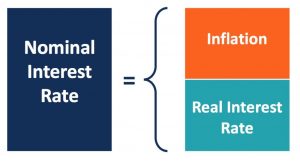
Den nominelle renten er den banken tilbyr, basert på hvordan de vurderer din risikograd. Risiko baseres på dine inntekter og kostnader. Også på eventuelle betalingsanmerkninger, evne til å stille med sikkerhet, og den totale summen av samlet eksisterende gjeld. Renten kan være både høyere og lavere enn det banken reklamerer med. Renten de går ut med, er den gjennomsnittlige renten basert på alle kunder. Avskriv derfor ikke en bank, selv om denne renten kan være noe høyere enn hos andre. Den nominelle renten inkluderer ikke gebyrer og andre kostnader. Denne bør derfor ikke brukes som sammenligningsgrunnlag.
Den effektive renten er den nominelle renten tillagt andre kostnader som etableringsgebyr og månedsgebyr. Denne renten vil derfor gi et mer korrekt bilde av hva totalkostnaden på et lån vil bli. Denne kan endre hvilke banker som kommer høyere på listen over det rimeligste lånet. Nordea har for eksempel en kalkulator på sin nettside. Denne viser forskjellen på nominell og effektiv rente. Uten å endre kriteriene som ligger i kalkulatoren på nettsiden, vises det at hvis den nominelle renten på et forbrukslån er 7,5 % er den effektive renten 8,45 %.
- Bruk den effektive renten for å sammenligne bankens rente
- Ikke avskriv banker ved sammenligning før et eget rentetilbud er mottatt
- Flere banker kan ha fordeler som ikke kommer fram gjennom en lånekalkulator
3 Nedbetalingstid
Lengden på nedbetalingstiden vil påvirke hvilket lån som lønner seg. Et lån med høyere rente, men kortere nedbetalingstid, kan ha en lavere totalkostnad. Dette skyldes at den høyere renten vil ha mindre effekt på kostnadene, dersom nedbetalingsperioden er kort. Du vil altså låne penger fra banken i en kortere periode. Dette er avhengig av lånesum, sett i sammenheng med din tilbakebetalingsevne. Et usikret lån der renten har begynt å løpe, vil alltid være billigere så lenge det betales ned raskt.
Det er viktig å ikke låne over evne. Du må også passe på å ikke få større rentekostnader enn du kan betjene. På samme måte som bankene vurderer risiko, bør også du gjøre dette. Baser deg på arbeidssituasjon, helse og andre faktorer du vurderer kan påvirke din betalingsevne. Det bør alltid være en viss margin, for å unngå økonomiske utfordringer. I følge e24, har syv norske banker sammen avsatt 900 millioner kroner. Dette for å håndtere gjeld som ikke tilbakebetales av kundene. Både du og banken taper på at du ikke kan gjøre opp for deg.
- Bruk en fornuftig lånesum for å sammenligne banker
- Ikke lån mindre enn du trenger, men heller ikke mer
- Velg en streng, men realistisk nedbetalingsperiode
4 Sammenligne lån
Det finnes flere nettselskaper som sammenligner lån. Du kan legge inn ønsket lånesum, samt andre relevante kriterier. Selskapet innhenter deretter tilbud fra flere banker samtidig. Dette kan være en god løsning. Bankene gir tilbud basert på samme kriterier, og de konkurrerer om å få deg som kunde. Vær oppmerksom og les tilbudene godt. Ta gjerne kontakt med saksbehandlere, for å få avklart spørsmål og usikkerhet. Som låntaker bør du vite hvilken avtale du inngår, før du signerer. Unngå derfor også forhastede avgjørelser, basert på utålmodighet eller akutt behov for penger.
Enkelte bankkunder har et personlig forhold til de ansatte i sin bank. Mange foretrekker eventuelt å ha alle bankforhold på ett sted. Jo flere tilbud du benytter deg av, dess mer attraktivt kan det være for banken å beholde deg som kunde. Det kan derfor være smart å informere banken om et lånetilbud du vurderer fra en annen bank. Muligens vil de overgå tilbudet for å beholde deg som kunde. Det er her en forutsetning at du har en ryddig økonomi. Også at banken ønsker et utvidet kundeforhold.
- Ha en ryddig økonomi før søknad om lån
- Forhandle lånebetingelser mellom flere banker
Oppretthold en robust økonomi
Det er i perioder der samfunnet sliter økonomisk, du ser hvilke selskaper og husholdninger som har en sterk økonomi. Det økonomiske kretsløpet kan oppleve utfordringer i økonomisk ustabile perioder. Mens enkelte bedrifter mottar kriselån fra staten, opplever husholdningene kanskje å slite, uten å få særlig hjelp. Evnen til å opparbeide deg en buffer for disse situasjonene er ikke avhengig av inntekt. Det avhenger av å redusere kostnadene nok til å kunne sette til side penger for uforutsette utgifter. Alle bør unne seg en buffer, i tillegg til eventuelle lån.
Oppsummering
Før du skal søke om lån til forbruk, er det flere ting å tenke på. Lag først en oversikt over ditt behov og betjeningsevne. Husk alltid å se på den effektive renten når du skal søke om lån. Denne inkluderer alle gebyrer og avgifter. Sett opp en kort, men realistisk nedbetalingstid. Kortere nedbetalingsperiode gir en lavere totalkostnad. Vurder likevel din egen betjeningsevne, ut fra egen livssituasjon. Pass på å ikke låne over evne. Sammenligning av lån lønner seg alltid. Ved bruk av en sammenligningsside eller lånekalkulator, kan du spare både tid og penger. Les nøye gjennom alle vilkår og krav. Opparbeid deg gjerne en buffer, til uforutsette utgifter.